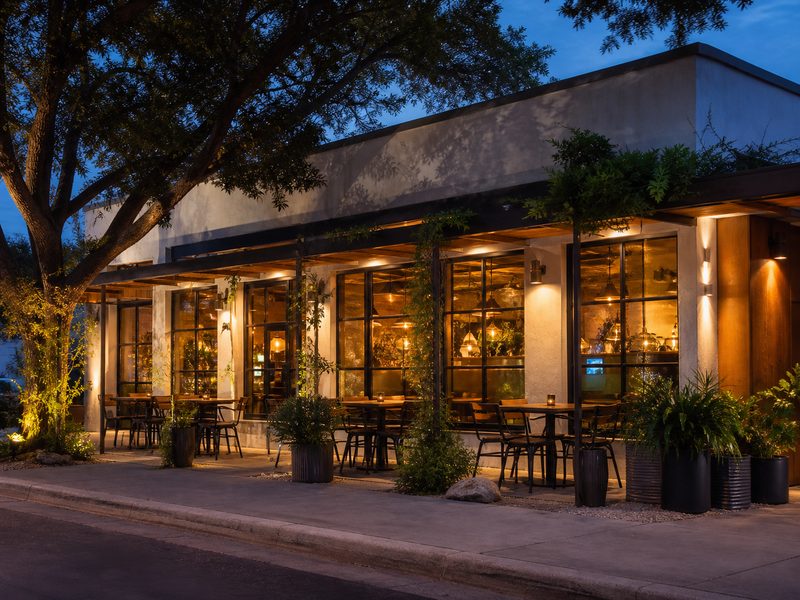
Corner Restaurant
Restaurants
110 E 2nd St, Austin, TX 78701, Austin, TX
+1512-608-4488
Restaurant in Austin.
View profile
Finding quality independent businesses requires different strategies than searching for chain locations. Local businesses invest in community presence rather than national advertising budgets, which means the best ones are often discovered through directories, word of mouth, and neighborhood exploration rather than sponsored search results.
Start with the business fundamentals. A reliable local business maintains consistent hours, answers its phone, and has a physical address you can verify. For service providers like plumbers and electricians, check state licensing boards for active licenses and insurance coverage. This takes under 5 minutes and eliminates unlicensed operators. For restaurants and retail, look for longevity in the market. A business that has served the same neighborhood for 5 or more years has earned repeat customers through quality, not marketing spend.
The strongest signal for restaurant quality is ownership involvement. When the owner works the floor or the kitchen, food quality and service consistency are higher. Independent restaurants that source from local farms and producers deliver fresher ingredients and more distinctive menus. Look for restaurants that change their menu seasonally, which indicates a kitchen driven by ingredient quality rather than supply chain convenience. Consistent hours and a well-maintained space reflect the operational discipline that translates to good food.
Hire contractors who stake their reputation on every job. A local plumber or electrician lives in the community they serve, and their business depends on word-of-mouth referrals, not advertising volume. Verify state licensing and liability insurance (minimum $1 million per occurrence). Ask for 3 references from the past 12 months and call at least one. Get written estimates from 2-3 providers. The lowest bid is rarely the best choice. Look for the contractor who asks the most questions about your project before quoting, because that thoroughness carries into the work.
Independent retailers differentiate through curation. The best local shops carry products selected by someone with expertise and taste, not an algorithm optimizing for margin. Look for shops where staff can explain the origin, materials, and maker behind products on the shelf. Stores that host events, workshops, or community gatherings are invested in building relationships beyond transactions. Many independent retailers offer services that chains cannot: custom orders, repairs, expert fitting, and personal shopping assistance.
Restaurants
110 E 2nd St, Austin, TX 78701, Austin, TX
+1512-608-4488
Restaurant in Austin.
View profileRestaurants
304 E Cesar Chavez St, Austin, TX 78701, Austin, TX
+1737-787-7018
Restaurant in Austin.
View profile
Restaurants
621 N Congress Ave Suite 101, Austin, TX 78701, Austin, TX
+1512-982-6766
American in Austin.
View profileRestaurants
800 W Cesar Chavez St Ste PP110, Austin, TX 78701, Austin, TX
+1512-291-6846
Latin American in Austin.
View profileRestaurants
1901 San Antonio St, Austin, TX 78705, Austin, TX
+1737-243-9020
Restaurant in Austin.
View profileRestaurants
1201 S Lamar Blvd, Austin, TX 78704, Austin, TX
+1512-433-6521
New American in Austin.
View profileTypes of Pets and the Local Businesses That Serve Them
From dogs and cats to reptiles, birds, and large animals, each pet type connects Austin, New Orleans, and Springfield residents to a distinct set of local veterinarians, groomers, and specialists. Knowing your animal narrows the search.
Local Business Pricing Strategies That Build Customer Loyalty
Smart pricing approaches help local businesses compete with national chains while building lasting customer relationships in Austin, New Orleans, and Springfield communities.
Customer Acquisition Costs: What Local Businesses Actually Spend
Understanding realistic customer acquisition expenses helps local businesses budget marketing efforts and choose promotional strategies that generate sustainable growth.
Independent businesses recirculate an estimated 67 cents of every dollar within their local economy, compared to 43 cents for national chains. Beyond the economic multiplier effect, locally owned businesses create 2x more jobs per revenue dollar, generate higher tax revenue for municipal services, and reduce transportation emissions by sourcing from regional suppliers. Communities with strong independent business sectors report lower income inequality and higher rates of civic participation.
The American Independent Business Alliance reports that local businesses spend 68% of their revenue within the local economy through wages, procurement, and taxes. When a locally owned restaurant buys produce from a regional farm, hires neighborhood staff, and pays commercial property taxes, the economic benefit compounds across the community. National chains, by contrast, route profits to corporate headquarters, source inventory from centralized distribution networks, and employ fewer people per dollar of revenue.
Local business owners serve on school boards, sponsor youth sports teams, donate to community fundraisers, and vote on local bond measures. They have a personal stake in the quality of life in their neighborhoods because they live there. Research from the Institute for Local Self-Reliance found that neighborhoods with a mix of locally owned businesses have stronger social cohesion, lower crime rates, and higher property values than areas dominated by national retailers.
When an independent business closes, the community loses more than a storefront. It loses a purchasing relationship with local suppliers, a sponsorship pipeline for community events, and an owner who understood the neighborhood by name. The vacancy creates a downward cycle. Reduced foot traffic affects neighboring businesses, commercial rents decline, and the character that attracted residents in the first place erodes. Studies show that once a neighborhood loses its independent business base, recovery takes an average of 7-10 years.
Smart Local Traffic is a curated directory of independently owned businesses across the United States. Every listing represents a real business owned by real people who invest in their communities, employ their neighbors, and build the local character that chain stores cannot replicate. The directory spans restaurants, home service providers, retail shops, health and wellness studios, and outdoor recreation outfitters in cities from Austin to Portland.
Smart Local Traffic focuses exclusively on independently owned and operated businesses. Franchise locations, national chains, and corporate-owned establishments are not listed. Each business is verified as locally owned before inclusion. Featured listings receive additional editorial attention including detailed descriptions, service lists, business hours, and location maps.
The directory covers five primary categories. Restaurants include independently owned dining establishments from fine dining to casual cafes. Home services covers licensed contractors, plumbers, electricians, HVAC technicians, and other residential service providers. Retail features boutiques, specialty shops, and local makers. Health and wellness includes yoga studios, fitness centers, spas, and holistic practitioners. Outdoor recreation covers outfitters, guides, and adventure-focused businesses.
Search engines rank businesses by advertising spend and SEO investment, not by quality, community impact, or independent ownership. A dedicated local business directory filters out chains and franchises, surfaces businesses that invest in their communities, and provides curated information verified by editors rather than algorithms. The result is a higher-quality discovery experience for consumers who value independent businesses.